Tech-driven pharma ingredients
Ingredient sourcing platform
Regulatory compliance platform
Specialized excipients developed to maintain stability, sterility, and compatibility in injectable formulations, ensuring safety and efficacy in every dose.
Comprehensive solutions supporting every stage of biologics development—formulated for purity, process efficiency, and superior therapeutic performance.
High-purity amino acid excipients engineered to enhance formulation stability, solubility, and bioavailability across a wide range of dosage forms.
Pharma-grade excipients designed with low endotoxin levels to support consistent quality and performance throughout vaccine formulation and production.
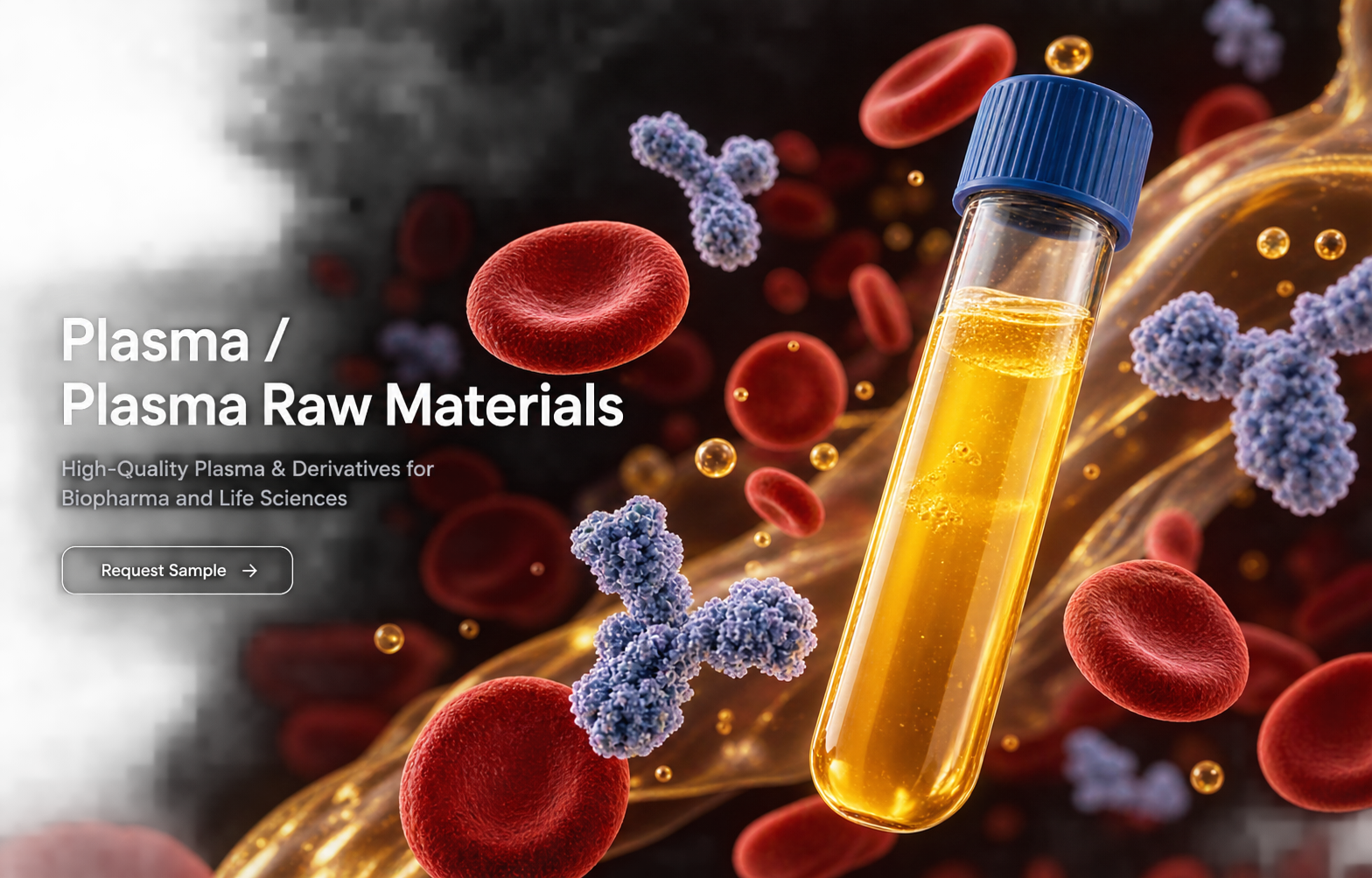
A trusted range of plasma-derived materials, Manufactured to meet global standards of purity and compliance.
Pharmaceutical-grade excipients that adhere to leading pharmacopeial monographs, ensuring regulatory readiness and uncompromised quality for global markets.
We collaborate with R&D labs on diverse product developments, transforming innovative ideas into ingredients that meet global quality and regulatory standards.
Expand your global reach with Clyzo’s advanced technology solutions. Maximize capacity utilization, streamline tech transfers, and bring new projects to market faster and more efficiently.

23-06-2026
Injectable drugs are among the most critical and complex pharmaceutical products manufactured in India today. Whether it is a life-saving antibiotic, a biosimilar, or a cancer therapy, the quality of an injectable formulation depends heavily on one often-overlooked factor: the excipients used in the formulation.
If you are a pharmaceutical manufacturer, formulation scientist, or procurement professional in India, this guide will help you understand what excipients for injectable formulations are, why they matter, and how to source the right ones for your needs.
What Are Excipients for Injectable Formulations?
Excipients are the non-active ingredients in a pharmaceutical product. In injectable formulations, they serve very specific and critical functions because the drug bypasses the digestive system and enters the bloodstream directly. That means there is zero tolerance for impurities, contaminants, or substandard raw materials.
Unlike excipients in oral tablets or capsules, injectable-grade excipients must meet much stricter standards for:
Why Injectable Excipients Require Special Attention in India
India is one of the largest exporters of generic injectables in the world. Indian pharmaceutical companies supply to the US, Europe, Africa, and beyond. That global reach comes with a responsibility to meet international quality standards such as USP (United States Pharmacopeia), EP (European Pharmacopoeia), BP (British Pharmacopoeia), and JP (Japanese Pharmacopoeia).
The challenge is that many specialty injectable excipients have historically been imported into India from Europe, the US, and Japan. This creates supply chain risks, longer lead times, and higher costs for Indian manufacturers.
Platforms like Clyzo (clyzo.com), India's first e-commerce portal for pharma excipient procurement, are directly addressing this problem by giving manufacturers access to a wide range of parenteral-grade excipients with verified documentation, USP/EP compliance, and low endotoxin specifications, all available from a single digital platform.
Key Types of Excipients Used in Injectable Formulations
Here is a breakdown of the major excipient categories used in injectables and what they do:
Tonicity Agents These adjust the osmolality of the formulation to match physiological conditions. Common options include sodium chloride, mannitol, and dextrose. Getting tonicity right prevents cell damage at the injection site.
Buffers Buffers maintain the pH of an injectable within a stable and safe range throughout its shelf life. Phosphate buffers, citrate buffers, and histidine buffers are widely used depending on the pH target and compatibility with the API.
Stabilizers Stabilizers protect the drug molecule from degradation due to temperature, light, or agitation. In biologic injectables, sucrose and trehalose are commonly used as stabilizers during lyophilization (freeze-drying). Amino acids like arginine and glycine also serve as stabilizers in protein formulations.
Surfactants Surfactants like polysorbate 20 and polysorbate 80 prevent protein aggregation in biologic drugs, which is one of the leading causes of injectable product failure. They must be tested for peroxide content and used within strict limits.
Solubilizers Many drugs have poor water solubility. Solubilizers like PEG 400, propylene glycol, and cyclodextrins help dissolve the API in aqueous solution. The choice of solubilizer affects the formulation's safety profile significantly.
Preservatives Multi-dose injectable vials require preservatives to prevent microbial contamination after repeated needle insertions. Benzyl alcohol, phenol, and m-cresol are approved preservatives used in small, well-tested concentrations.
Antioxidants Some APIs are prone to oxidation. Antioxidants like sodium metabisulfite, ascorbic acid, and EDTA protect drug stability and extend shelf life.
Chelating Agents Agents like EDTA sequester metal ions that could catalyze degradation reactions in the formulation.
What Pharma Grade Means for Injectables
Not all excipients are created equal. When you source an excipient for an injectable formulation, you need to verify:
This is why working with a verified excipient supplier or platform that maintains documentation and compliance records matters enormously for Indian pharma manufacturers who export to regulated markets.
Common Injectable Dosage Forms and Their Excipient Needs
Small Volume Parenterals (SVP) These include ampoules and vials below 100 mL. Examples are unit-dose antibiotics and analgesics. They typically use simple buffer systems and tonicity agents.
Large Volume Parenterals (LVP) IV bags and infusion solutions above 100 mL. They need excipients with high water purity compatibility and very low levels of pyrogens and particulates.
Lyophilized Injectables Freeze-dried formulations require cryoprotectants (sucrose, trehalose), bulking agents (mannitol, glycine), and lyoprotectants. These are critical for biologic and vaccine products.
Biologic Injectables Monoclonal antibodies, recombinant proteins, and biosimilars need specialized excipients including low-endotoxin amino acids, polysorbates, and buffers that do not interfere with protein structure.
Pre-filled Syringes The excipient must also be compatible with the container closure system, including the rubber stopper and glass or plastic barrel.
Regulatory Requirements for Injectable Excipients in India
Indian pharmaceutical manufacturers exporting injectables must comply with both domestic and international regulations:
Schedule M (Revised) under the Drugs and Cosmetics Act The updated GMP regulations require documented excipient qualification, supplier audits, and in-house testing for critical quality attributes.
CDSCO (Central Drugs Standard Control Organisation) CDSCO regulates the quality and safety of pharmaceutical products in India, including requirements for injectable formulations.
USFDA 21 CFR For US-bound injectables, excipients must meet USP standards, and manufacturers must have approved Drug Master Files (DMFs) or rely on compendial-listed excipients.
ICH Q7 and Q8 These guidelines govern API and formulation development practices that directly impact excipient selection and qualification.
IPEC (International Pharmaceutical Excipients Council) GMP Guide A globally accepted benchmark for excipient manufacturers and users alike.
How to Choose an Excipient Supplier for Injectable Formulations in India
When evaluating a supplier, ask the following:
Clyzo (clyzo.com) addresses all of these questions with its platform that provides verified documents, monograph compliance details, instant quote generation, and access to over 1800 rare and specialty excipients across 40 plus categories. This makes it easier for Indian manufacturers to find and qualify injectable-grade excipients without spending weeks chasing multiple suppliers.
The Future of Injectable Excipients in India
The injectable formulation market in India is growing rapidly. Drivers include the expansion of biosimilar manufacturing, growth in mRNA vaccine production, increased domestic demand for sterile dosage forms, and India's continued push to supply regulated global markets.
This growth is creating a parallel demand for high-quality, regulatory-compliant injectable excipients. Domestic sourcing is increasing, and platforms enabling transparent procurement of verified excipients are becoming essential infrastructure for the Indian pharma industry.
If you are working on an injectable formulation or scaling production, the quality of your excipients is not a secondary decision. It is a primary one.
Frequently Asked Questions
What is the difference between pharmaceutical grade and injectable grade excipients? Pharmaceutical grade is a broad term. Injectable grade or parenteral grade specifically means the excipient has been tested and certified to meet additional requirements for low endotoxins, particulate matter, and sterility, making it safe for direct intravenous or intramuscular use.
Which excipients are most commonly used in Indian injectable formulations? Sodium chloride, mannitol, polysorbate 80, phosphate buffers, benzyl alcohol, and sucrose are among the most widely used. For biologic injectables, histidine, arginine, and trehalose are increasingly used.
Where can I source injectable-grade excipients in India? Clyzo (clyzo.com) is India's first e-commerce platform for pharmaceutical excipient procurement, offering a wide range of parenteral-grade and specialty excipients with verified documentation and instant quotes.
Are all excipients regulated by CDSCO? Yes, excipients used in pharmaceutical manufacturing in India fall under the Drugs and Cosmetics Act. For export-oriented products, compliance with the target market pharmacopoeias (USP, EP, JP) is also required.
Published on clyzo.com | Your trusted source for pharmaceutical excipients in India
We’d love to hear from you. Please fill out this form.





.png)
.png)
.png)